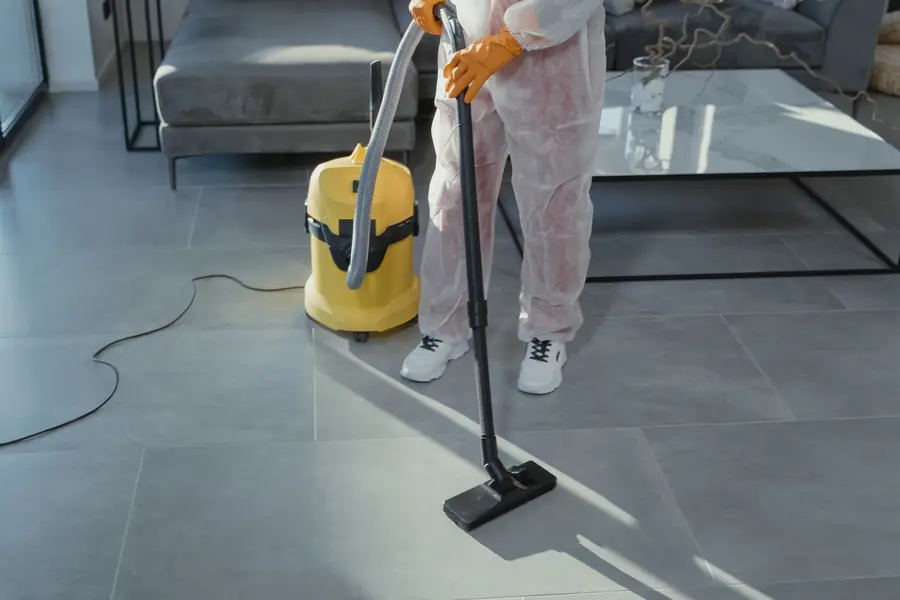
Standing water does its worst damage in the first hours. The longer it sits, the more it soaks into carpet pad, drywall and the subfloor, and the more has to be torn out later. Getting it out fast is the cheapest part of the job and the one that saves the most.
When you need water extraction
- There is standing water on any floor
- Carpet squishes when you walk on it
- Water ran under cabinets, an island or a wall
- A water heater, washer or toilet emptied out while nobody was home
- Rain or runoff came in under a door or through a window
A small puddle on tile you caught in five minutes can be handled with towels and a fan. For more than that, a shop vac usually can't pull enough water out of carpet and pad.
How extraction works
Crews use truck mounted or portable extractors with much stronger suction than a shop vac. On carpet they often use weighted tools that press water out of the pad from above. Hard floors get squeegees and pumps. After the visible water is out, they check underneath with meters, because water likes to travel under vinyl plank, tile and baseboards.
Can the carpet be saved?
It depends on the water. Carpet soaked by clean water and extracted quickly can often be dried and kept, though the pad underneath is usually replaced because it is cheap and holds water. Carpet that touched gray water is sometimes cleaned and kept. Carpet touched by sewage or outside floodwater is thrown out.
Flood water and sewage backups
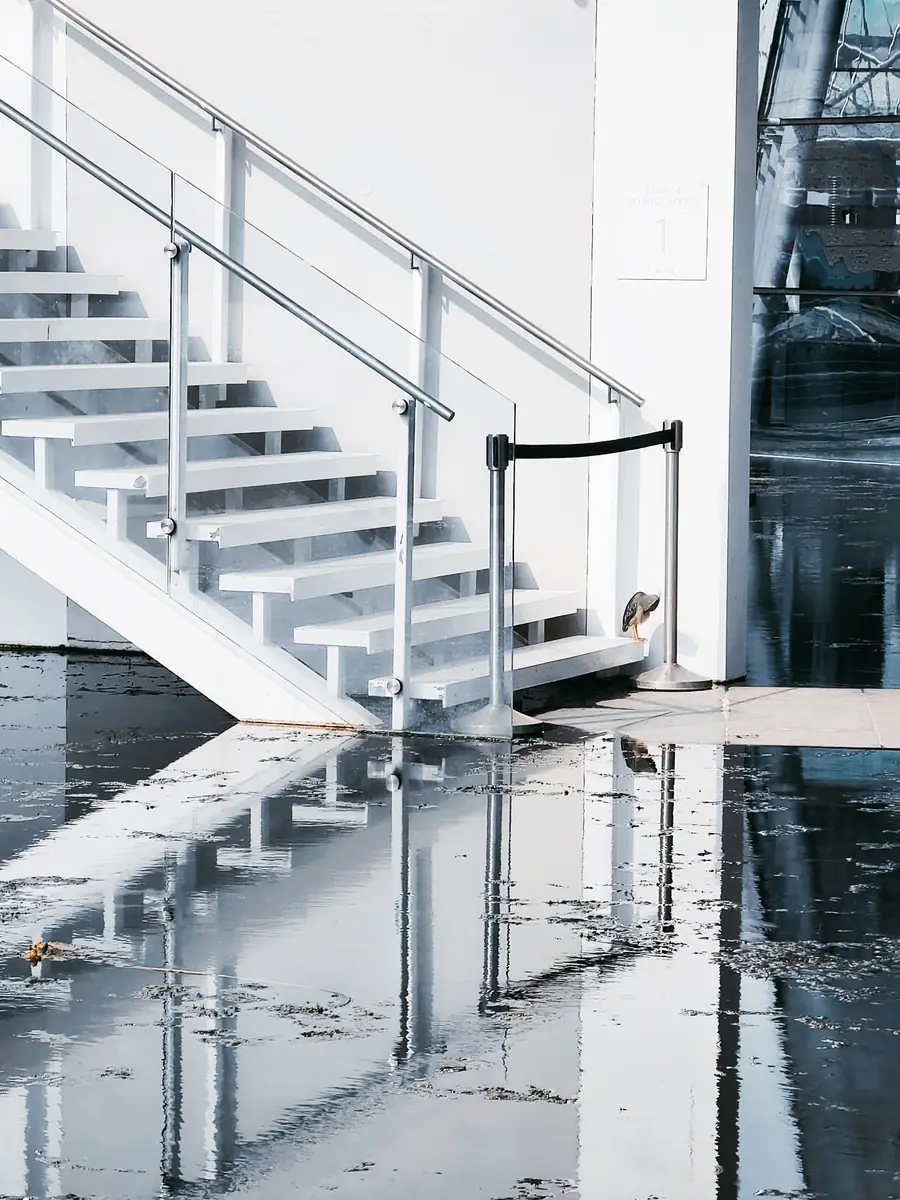
Water that comes in from outside, or backs up from a drain, carries whatever it picked up on the way. The CDC's advice for going back into a flooded home is to stay out if you smell gas or hear hissing, to keep the power off until an electrician says it is safe if water reached outlets or the panel, and to wear rubber boots, gloves and goggles during cleanup. Keep children and pets out of the affected area.
Porous materials that touched sewage, like carpet, pad, insulation and the lower part of drywall, are generally removed. Hard surfaces get cleaned and disinfected. This is not a job for a household mop.
Flood insurance is separate
Most homeowners policies don't cover flooding from outside, such as rising water from a storm. That takes a flood policy, through the National Flood Insurance Program or a private insurer. FloodSmart notes that a new NFIP policy typically takes 30 days to go into effect, so it has to be in place before the storm. Water from a burst pipe inside the house is treated differently and is often covered by the home policy. More on the insurance claims page.
What you can do before the crew arrives
- Shut off the water at the main valve, and the power to wet rooms if you can reach the panel from a dry spot.
- Take photos and video of every wet room before you move anything.
- Lift furniture legs onto foil or wood blocks so they don't stain the carpet.
- Move rugs, papers, photos and electronics to a dry room.
- Don't use a regular household vacuum on water.
Sources: EPA, CDC, FloodSmart, TDI home insurance guide. Checked October 2026.
Common questions
How fast should water extraction start?
As soon as you can arrange it, ideally the same day. The EPA's guidance is to dry water damaged areas within 24 to 48 hours to prevent mold, and drying can't really start until the standing water is out.
Is a shop vac good enough?
For a small spill on a hard floor, yes. For soaked carpet and pad, a shop vac leaves a lot of water behind. Professional extractors and weighted tools pull much more out, which shortens drying time.
Does homeowners insurance cover flood cleanup?
Water from inside the house, like a burst pipe, is often covered under a home policy. Flooding from outside usually is not and needs a separate flood policy.