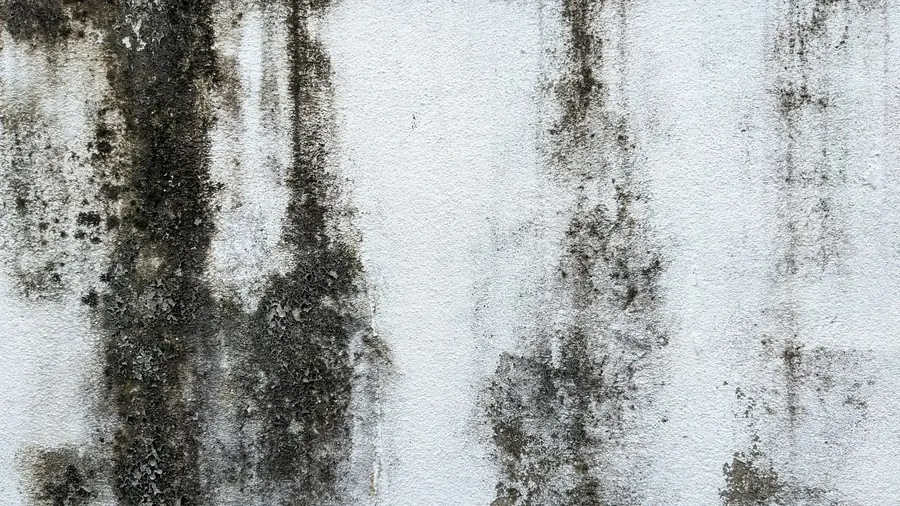
Mold needs moisture, and after a leak it has plenty. Midland's dry air helps once a room is opened up, but it doesn't reach inside a wet wall, under vinyl plank flooring or behind a cabinet. Those spaces stay damp until someone dries them on purpose.
Prevention is the 24 to 48 hour window
The EPA says water damaged areas and items should be dried within 24 to 48 hours to prevent mold growth. The CDC gives the same window after a flood. That is why fast extraction and drying matter so much. See water damage restoration.
Signs of mold after a leak
- A musty, earthy smell that doesn't go away
- Spots or fuzz on drywall, baseboards or the back of cabinets, often black, green or white
- Stains that keep spreading or come back after you paint
- Paint or wallpaper bubbling or peeling near where water was
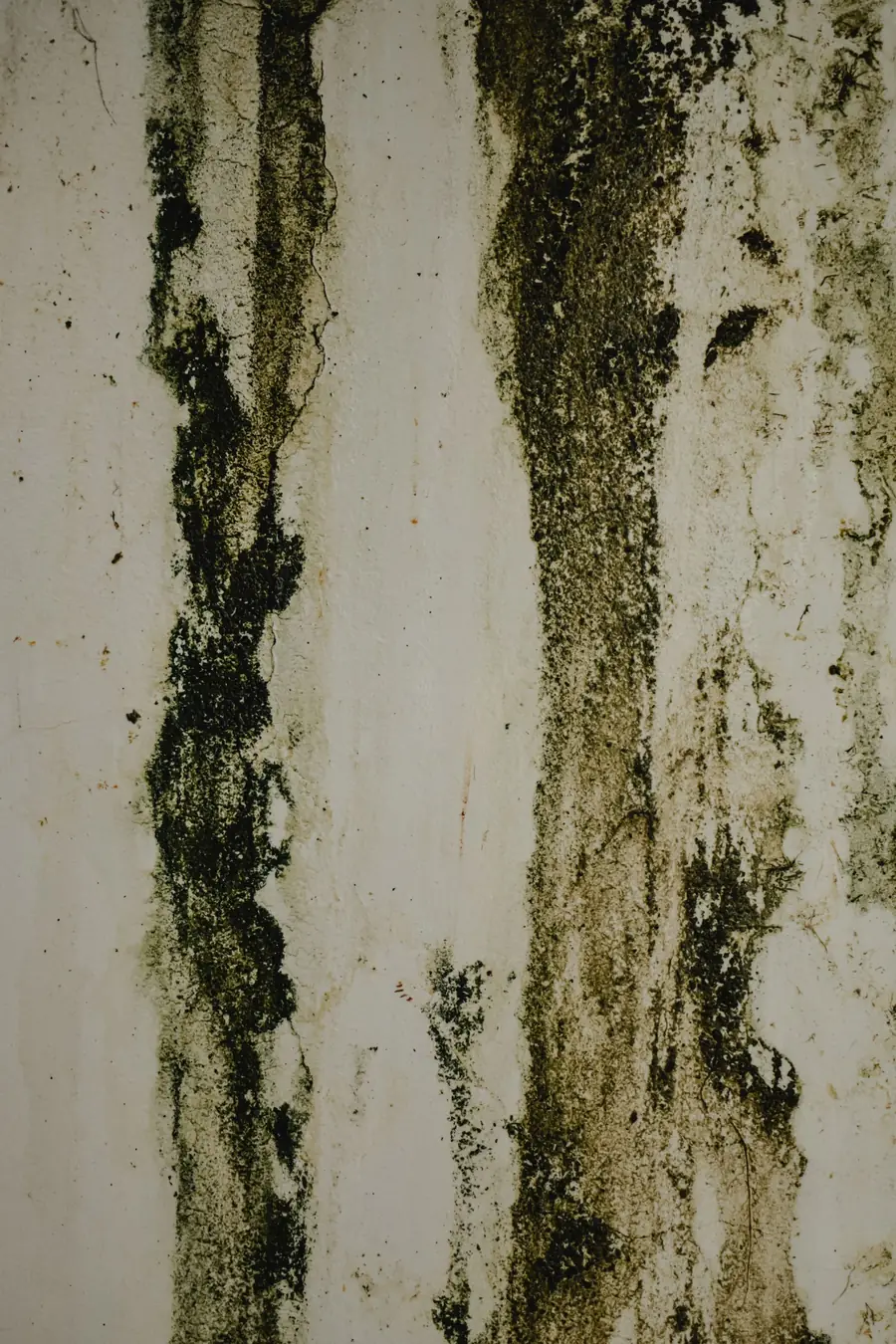
Small patch or a job for a pro?
The EPA says that if the moldy area is less than about 10 square feet, roughly a 3 foot by 3 foot patch, you can usually handle it yourself, as long as you fix the moisture problem too.
Larger jobs fall under Texas rules. The Texas Department of Licensing and Regulation requires a notification when mold covers 25 contiguous square feet or more and remediation will be done, and hired remediation at that size generally needs licensed mold professionals. In a regulated project, a licensed mold assessment consultant writes the remediation plan and a licensed mold remediation contractor does the work. There are exemptions, including some for owners working on their own homes, so check TDLR's rules if you plan to do it yourself.
If a company is going to remediate a large area for you, ask for its TDLR license number and look it up on TDLR's website before work starts.
Cleaning a small area safely
Following CDC guidance:
- Fix the water problem first. Cleaning mold without drying the area only resets the clock.
- Open windows for fresh air. Wear rubber gloves, goggles and boots.
- On hard surfaces, use soap and water, a household cleaner, or a bleach solution of no more than 1 cup of bleach per gallon of water.
- Never mix bleach with ammonia or other cleaners.
- Porous materials that stayed wet, like carpet pad, ceiling tiles and drywall, often can't be cleaned and should come out.
The CDC notes that people with asthma, mold allergies, weakened immune systems or chronic lung disease can react badly to mold. Keep them away from the cleanup.
What a remediation job looks like
On a larger job, the crew seals off the work area with plastic sheeting and runs air filtration so spores don't spread through the house. Then they remove the affected materials, clean the structure that stays, dry everything, and check the area before it is rebuilt.
Does insurance pay for mold?
The Texas Department of Insurance says that if mold grows on something damaged by a covered water loss, it would be covered, but most home policies don't pay for mold cleanup and testing beyond that. Mold from a flood isn't covered without flood insurance. Fast drying is what keeps mold out of the claim in the first place.
Sources: EPA, CDC, CDC, TDLR mold notification rules, Texas Department of Insurance. Checked October 2026.
Common questions
How soon can mold grow after water damage?
The EPA and CDC both use a 24 to 48 hour window: dry water damaged areas within that time to prevent mold growth.
Do I need a licensed company for mold in Texas?
For hired remediation of 25 contiguous square feet or more, Texas generally requires licensed mold professionals and a notification to TDLR. Smaller areas are commonly handled without a license. Check TDLR's rules for exemptions that may apply to you.
Can I just spray bleach on it?
The CDC says a bleach solution of no more than 1 cup per gallon of water can be used on hard surfaces. The moisture source has to be fixed, and porous materials that stayed wet often need to come out. Never mix bleach with ammonia.